
In 2013, surveillance footage of a woman, taken hours before her death in a downtown Los Angeles rooftop water tank, was released to the public by the LAPD to identify her body. The footage instantly went viral, becoming fodder for online conspiracy theories, schlock horror shows, and true crime documentaries.
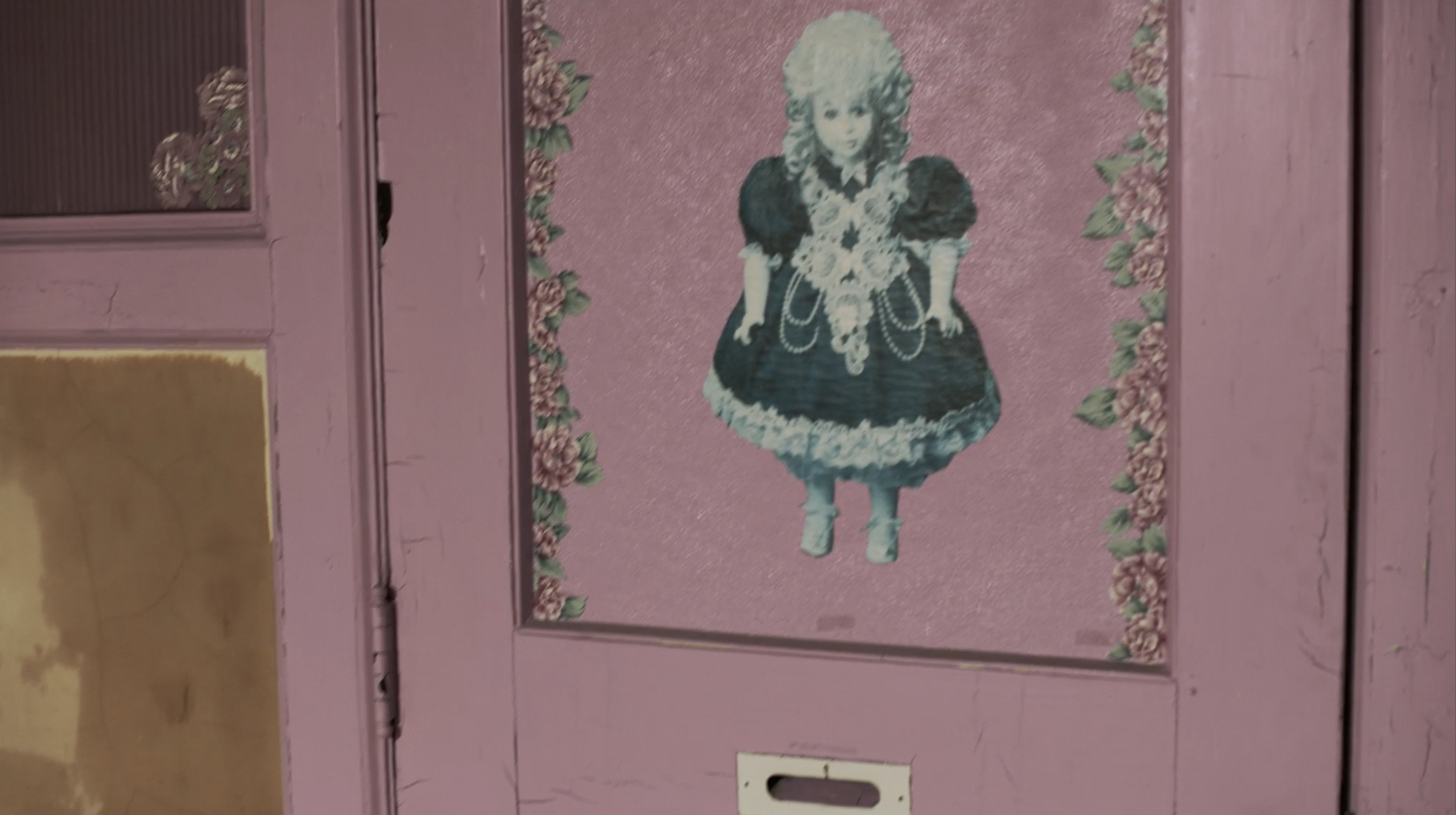
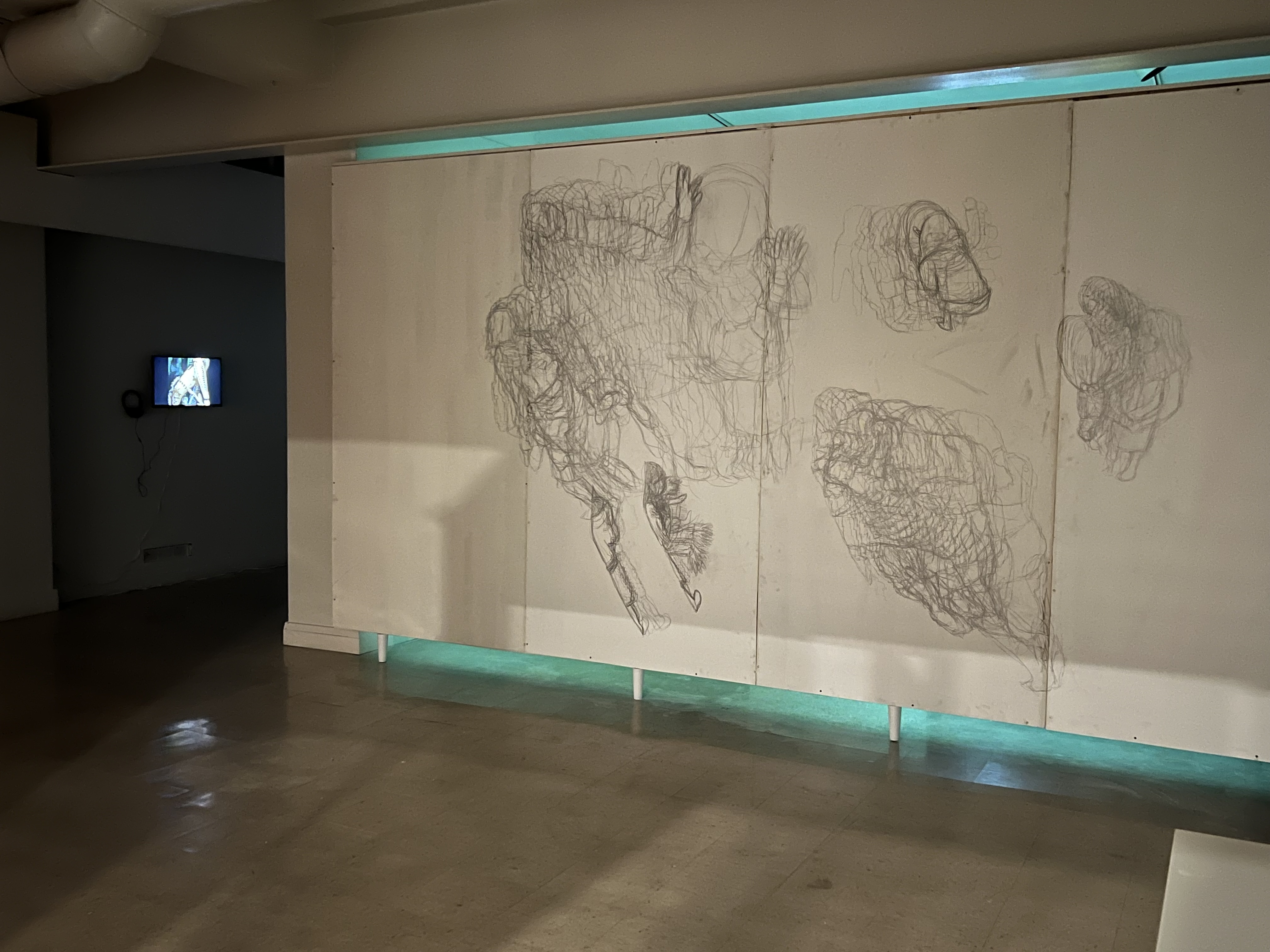
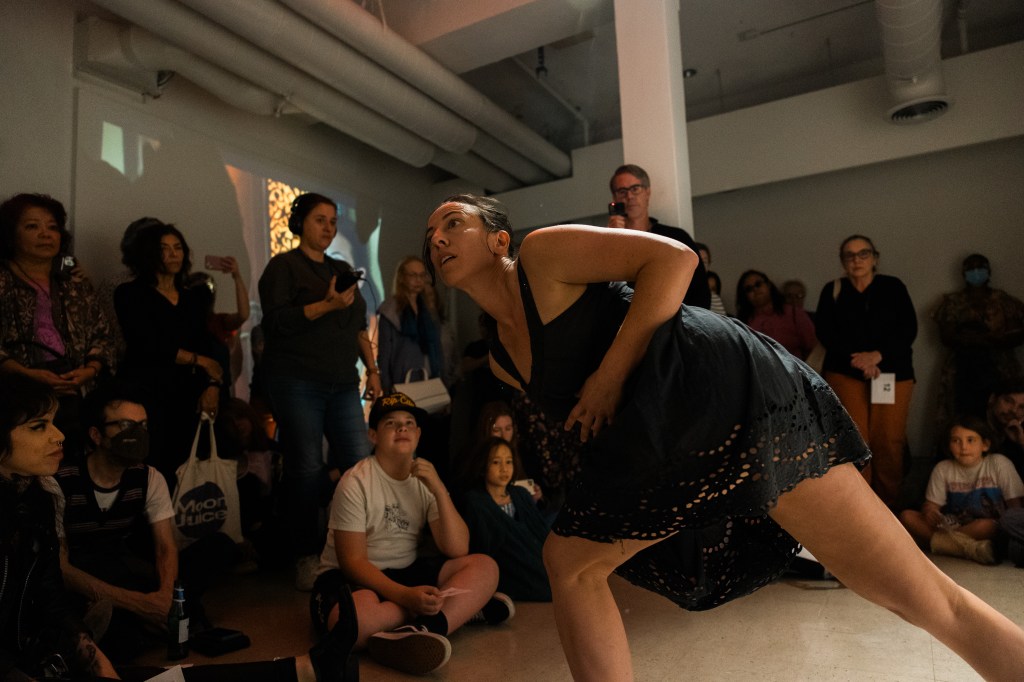
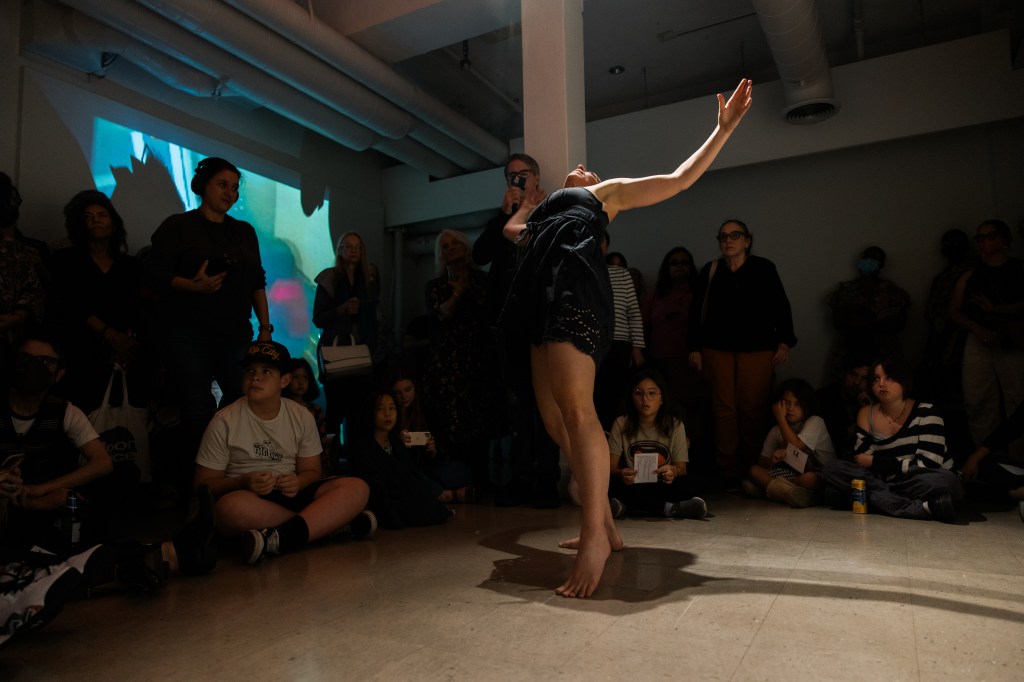
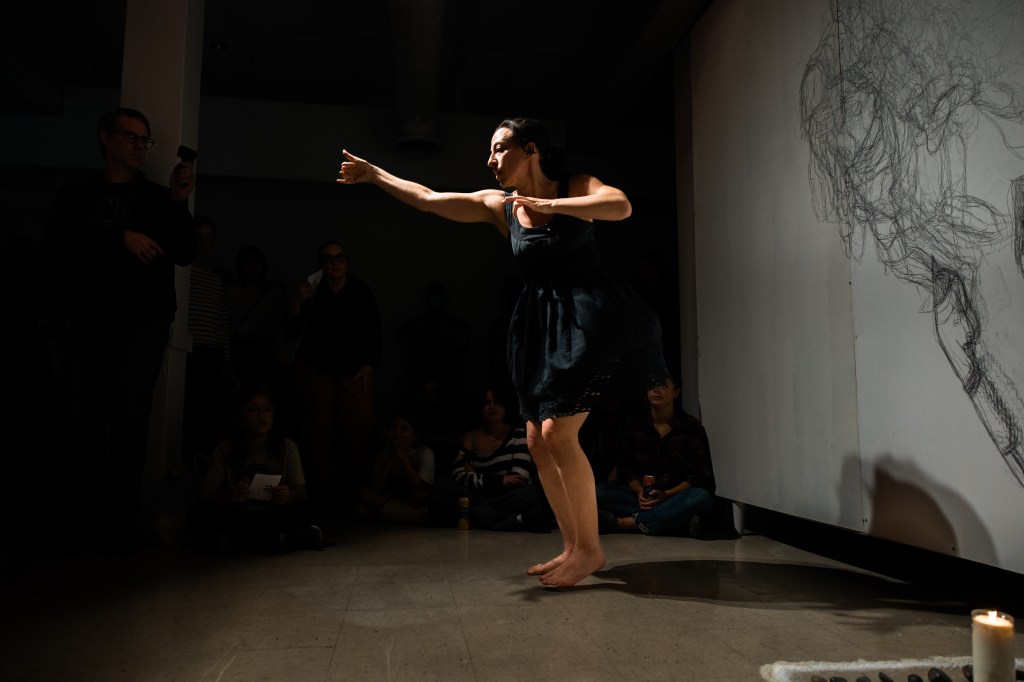
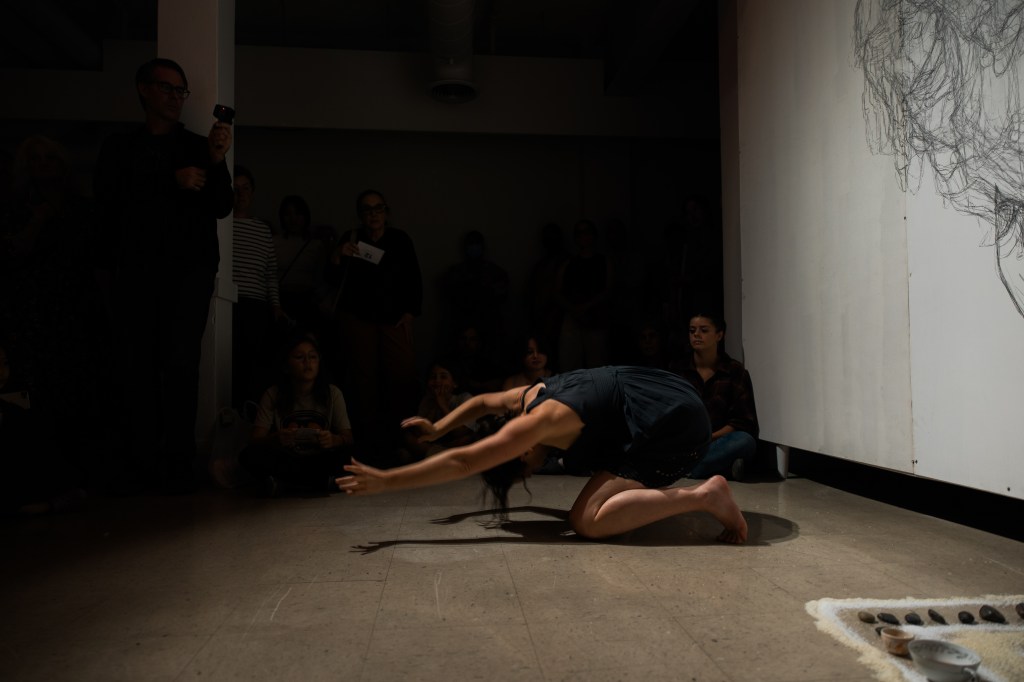
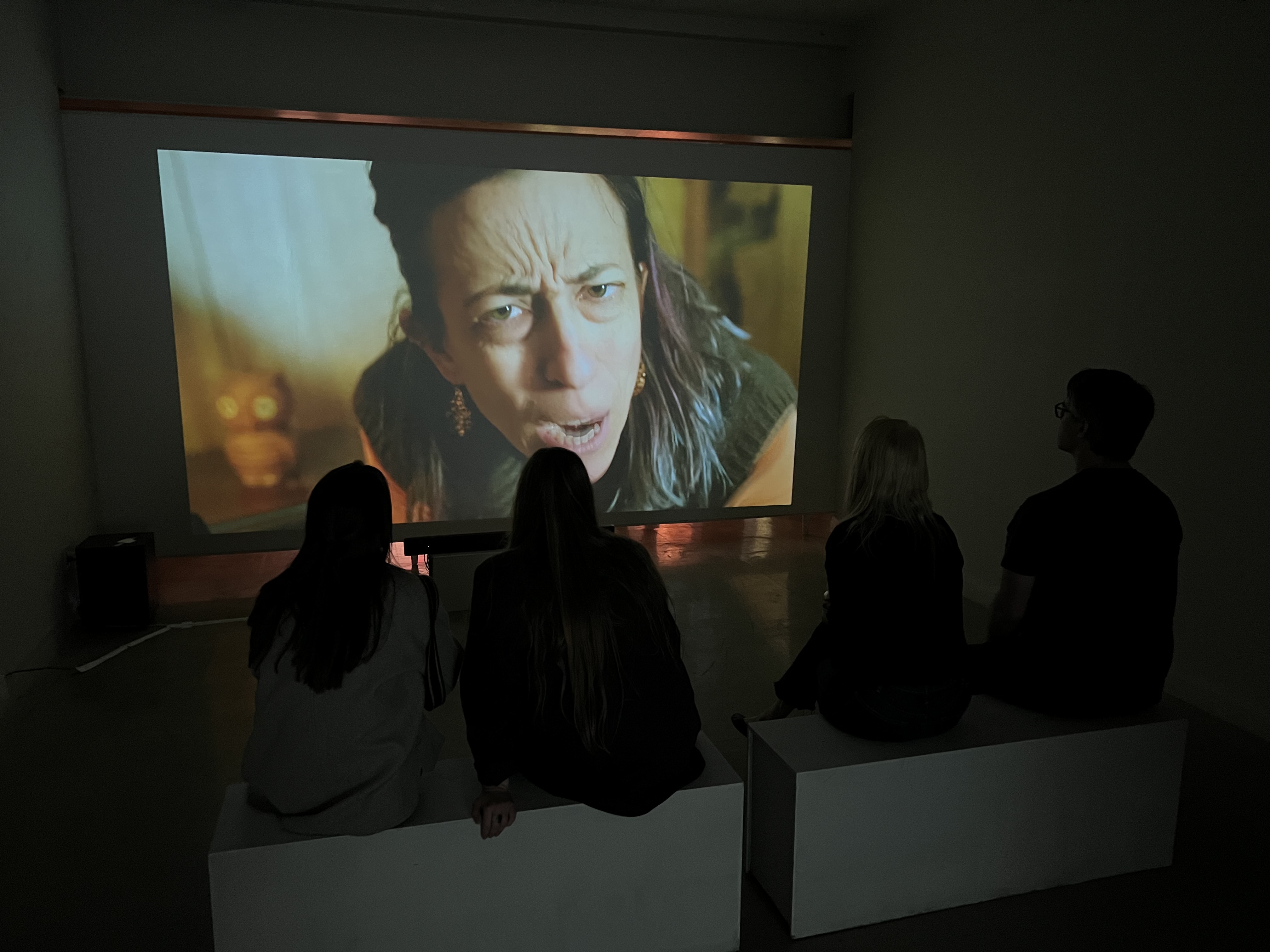
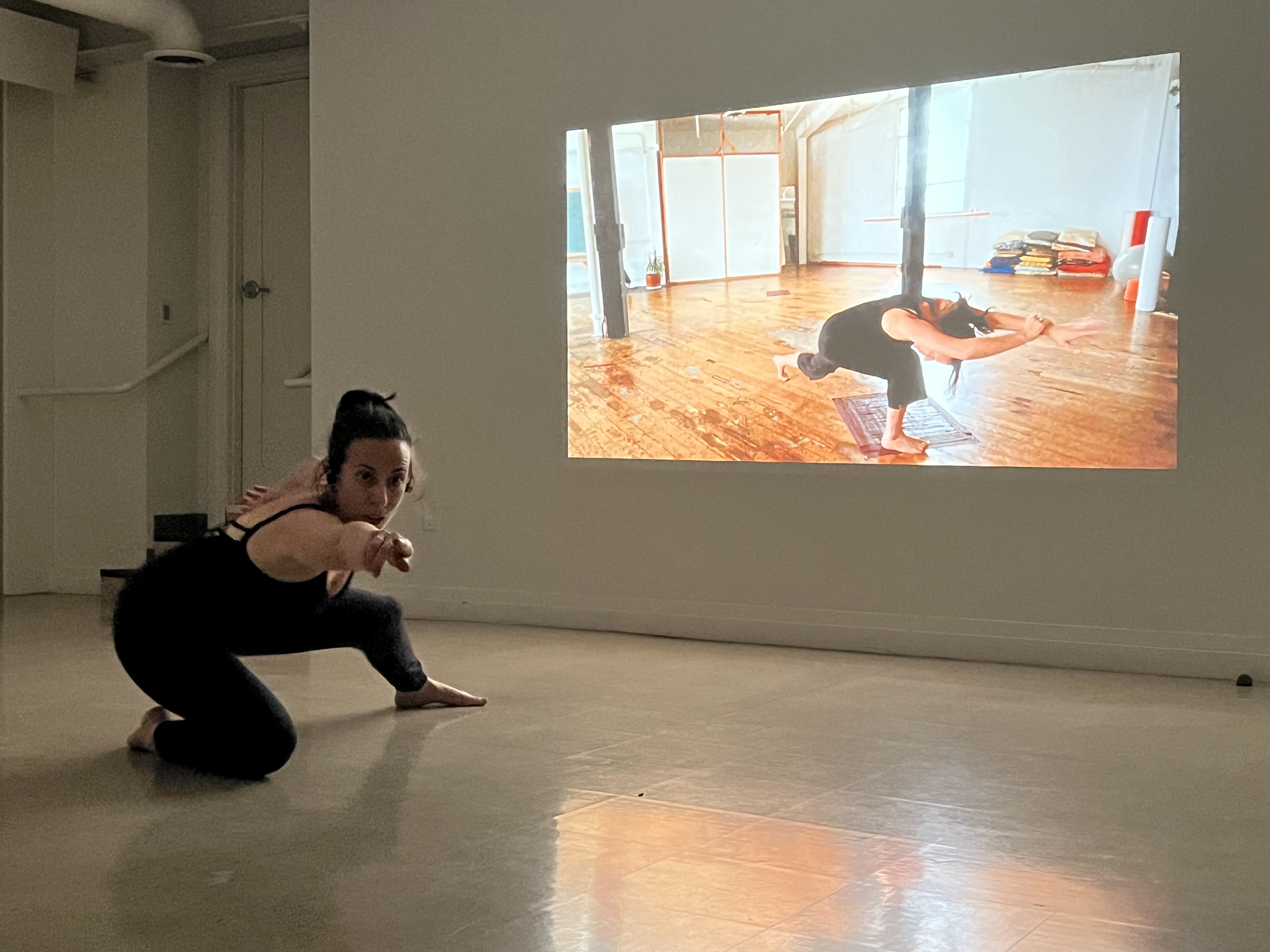
In Poem of E.L., a body of work in dance and video, artist Maya Gurantz uses the body and surrealist and speculative filmmaking to undermine the violence of the narratives imposed on this woman’s story as it proliferated in media culture.
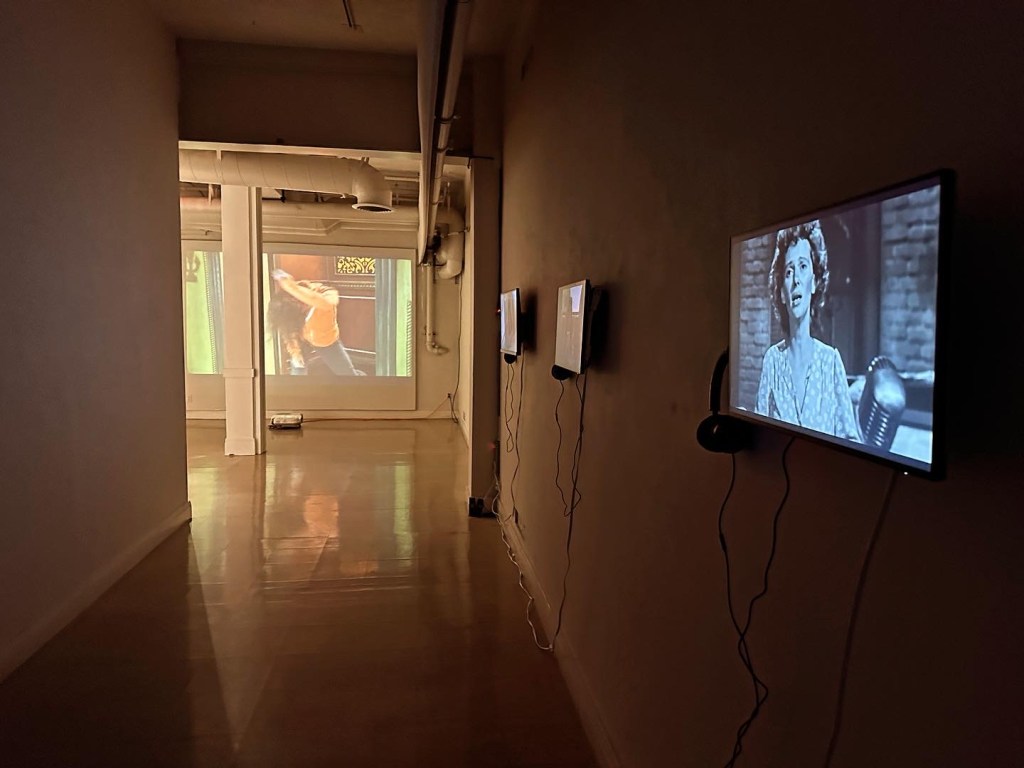
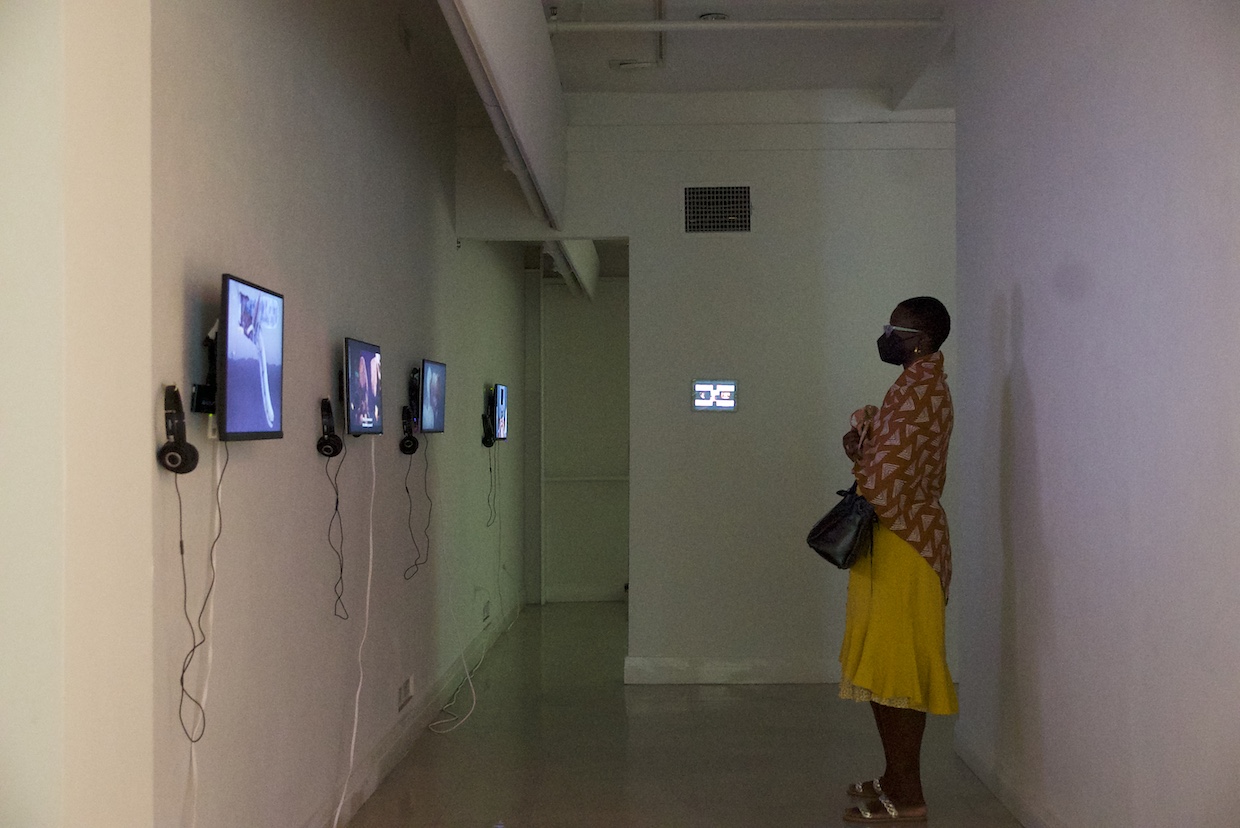
The inaugural recipient of Prospect Art’s NEW WORK: FOCUS ON LOS ANGELES award, the complete body of work premiered as an immersive installation at LA Artcore in Little Tokyo in late 2023. The capstone film of “Poem of E.L.” has been an Official Selection at Ann Arbor Film Festival (Award), Arthouse Film Fest (Award), New Renaissance Film Fest (Nom. Award), the Athens International Film & Video Festival, San Francisco Cinematheque’s Crossroads Film Festival, Film Maudit 2.0, and Jumping Frames Hong Kong. It screened internationally as part of Ann Arbor Film Festival’s Touring Program.
Gurantz’ essay on the process of making Poem of E.L. was the cover of Contemporary Art Review Los Angeles (CARLA) in Summer 2024.
When Gurantz first encountered the story on the news, she predicted how it would be compressed into genres of unsolved mystery, horror, and true crime—all storytelling forms in which patriarchal order, threatened by monstrous chaos, ultimately becomes restored.
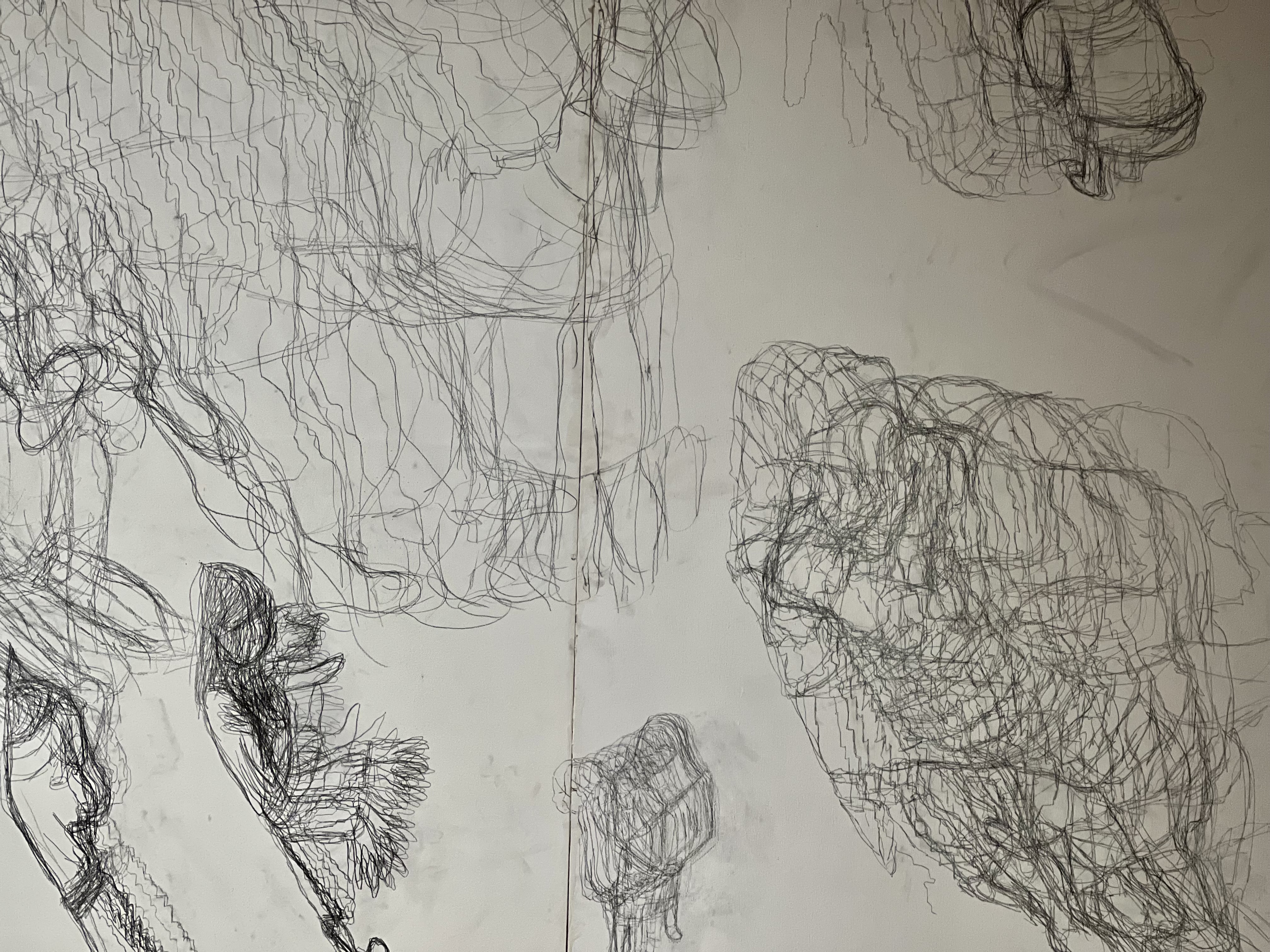
In response, Gurantz was moved to learn the physical movements from the surveillance video, second-by-second, as precisely and directly as possible. This began an eight-year process of working like a somatic detective, choreographically and cinematographically. The resulting sequence of performances, and videos in shot and manipulated found-footage elevates the inchoate intelligence of the body, striving not to “solve the mystery” but to leave the artist and viewer more alert to the limits of not-knowing.
In so doing, Gurantz provides an alternative to the capitalist and misogynistic exploitation of E.L.’s story and the reductive analysis of mental illness and spiritual experience to which people so readily default when they aren’t willing to face the limits of what they cannot understand.











 Maya Gurantz